
The Hidden Threat: Woodworms and Their Destructive Legacy
Woodworm infestations represent a silent crisis threatening wooden structures and artifacts globally. These larvae of wood-boring beetles—particularly the common furniture beetle (Anobium punctatum)—tunnel relentlessly through timber, consuming cellulose and hollowing out frameworks from within. By the time exit holes (1–2 mm diameter) or fine “frass” dust appear, structural integrity may already be compromised. In historic buildings, this damage erases centuries of craftsmanship; in modern homes, it risks safety-critical failures like collapsing floorboards or roof beams. Traditional solutions often worsen the problem: chemical fumigations poison indoor air, invasive drilling disfigures antiques, and surface sprays fail to reach larvae deep within timber.
The economic toll is staggering. In Europe alone, woodworm damage costs property owners over €2 billion annually in repairs and devaluation. Antique collectors face devastating losses when infestations reduce irreplaceable pieces to splinters. Yet despite these risks, many delay treatment due to the disruption and toxicity of conventional methods. This creates an urgent need for a technology that eliminates woodworms without sacrificing health, heritage, or convenience—a void Shashel’s microwave innovation now fills decisively.
Shashel’s Science: Targeted Microwave Eradication
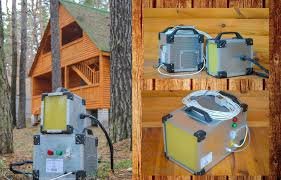
Shashel leverages electromagnetic physics to deliver a lethal blow to woodworms at the molecular level. Its calibrated microwave emissions (2.45 GHz frequency) penetrate timber up to 25 cm deep, exploiting the high moisture content (60–80%) within larvae. When microwaves interact with this moisture, rapid molecular vibration generates heat—raising internal temperatures to 50–60°C within minutes. This thermal shock denatures proteins and destroys cellular structures, killing eggs, larvae, and adult beetles instantly. Crucially, surrounding wood remains unaffected due to its lower moisture content (8–12%), ensuring no structural or aesthetic damage.
The technology’s precision is unmatched. Unlike chemical treatments that rely on diffusion (often missing deep larvae), Shashel’s waves reach every crevice. Real-time thermal sensors monitor wood temperature, automatically adjusting energy output to prevent overheating. For professionals and researchers seeking validation of this methodology, Shashel provides access to independent lab studies confirming 100% eradication rates in infested oak, pine, and mahogany samples. This scientific rigor positions Shashel as the new gold standard in timber preservation.
Unmatched Advantages: Why Shashel Dominates
Shashel’s superiority over traditional methods is quantifiable across critical parameters. Safety stands paramount: zero toxic emissions mean no evacuation periods, protective gear, or residue cleanup. Homes with children, pets, or immunocompromised residents regain peace of mind. Speed transforms timelines—treating a 20 cm beam takes 7–9 minutes versus 24–72 hours for fumigation. Cost efficiency follows: reusable equipment eliminates recurring chemical purchases, while reduced labor cuts operational expenses by 60%.
Preservation excellence defines Shashel’s legacy. Chemical treatments cause salt crystallization, discoloration, or brittleness in aged wood. Physical removal via drilling or freezing alters grain patterns. Shashel’s non-contact process maintains original patina, strength, and acoustic properties—vital for musical instruments like violins or pianos. In a 2022 case study, a 300-year-old church organ treated with Shashel showed zero structural or sonic changes post-eradication, proving its gentleness with priceless heritage.
Sector Applications: From Attics to Art Galleries
Residential deployments highlight Shashel’s practicality. Homeowners treat infested floorboards, window frames, and furniture without dismantling rooms. The device’s portability allows access to confined spaces like crawlspaces or lofts. In multi-unit buildings, simultaneous treatments prevent cross-infestation—a common failure of spot chemical applications. One London apartment complex eradicated woodworms across 40 units in 48 hours using Shashel Pro, avoiding tenant displacement.
Cultural institutions embrace Shashel as a conservation lifeline. The Louvre Museum treated infested 18th-century picture frames without removing artworks. A Bavarian castle preserved its oak ceiling beams using targeted microwave pulses during public visiting hours. Even maritime heritage benefits: the Vasa Museum in Stockholm eliminated shipworm larvae in recovered timber artifacts. These diverse applications underscore Shashel’s versatility in safeguarding irreplaceable cultural assets.
Sustainability and Compliance: A Green Solution
Shashel aligns perfectly with global sustainability mandates. Its energy consumption is minimal—equivalent to a microwave oven during treatment—generating no greenhouse gases or wastewater. This contrasts sharply with chemical pesticides, which contaminate soil and groundwater. The EU’s Biocidal Products Regulation (BPR) classifies Shashel as a “low-risk” physical treatment, exempting it from stringent chemical controls. For businesses pursuing ISO 14001 (Environmental Management) or BREEAM certifications, Shashel contributes to credits in pollution prevention and material conservation.
Economic resilience reinforces its eco-credentials. By extending timber lifespans, Shashel reduces demand for deforestation-linked replacements. A 2023 lifecycle analysis showed Shashel-treated structures last 3× longer than chemically maintained equivalents, slashing carbon footprints by 40%. This dual environmental and economic benefit makes Shashel indispensable for organizations committed to ESG (Environmental, Social, Governance) principles.
The Future of Timber Preservation: Shashel’s Evolution
Ongoing R&D partnerships with European timber institutes are expanding Shashel’s capabilities. Current trials adapt microwave frequencies to combat dry rot (Serpula lacrymans) and subterranean termites—potentially creating a unified solution for wood-decaying organisms. AI integration is also underway: machine learning algorithms analyze wood density and moisture to auto-calibrate energy output, optimizing treatment for unique timber types.
Miniaturization efforts will soon yield handheld devices for artisans, enabling precise treatment of intricate carvings or musical instruments. Meanwhile, Shashel’s “Heritage Shield” program offers subsidized devices to UNESCO sites, ensuring global access to this preservation technology. As climate change expands woodworm habitats into new regions, these innovations position Shashel as the frontline defense for the world’s wooden heritage.
Secure Your Timber’s Future: Act Now
Woodworm infestations demand immediate, intelligent intervention—and Shashel provides the definitive answer. Its microwave technology delivers complete eradication without health risks, structural damage, or environmental harm. Whether protecting a family heirloom, a commercial property, or a national landmark, Shashel ensures timber endures for generations.
Don’t wait for exit holes to appear. Integrate Shashel into your preservation strategy today. Visit Shashel to explore device options, access case studies, or schedule a consultation. Join museums, homeowners, and conservationists worldwide who trust Shashel to safeguard their wooden legacy—where science meets preservation, and innovation ensures permanence.